Bipolar Disorder: What It Is, Symptoms & Treatment
Related glossary terms
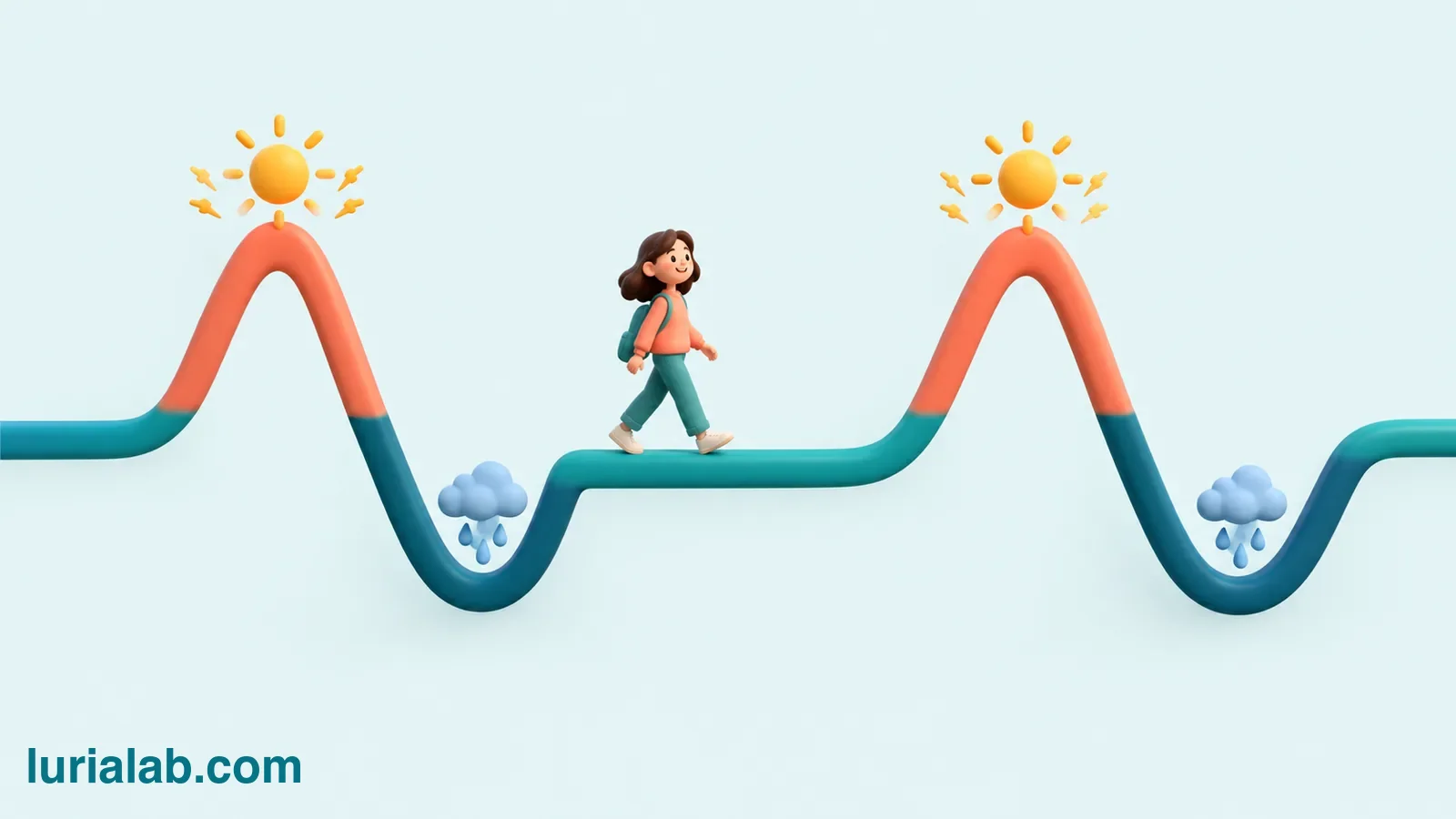
Mood swings are part of being human — but bipolar disorder is different. It involves distinct episodes of unusually elevated or irritable mood (mania or hypomania) and periods of depression that can disrupt work, relationships, sleep, and judgment. This guide explains what bipolar disorder is, common symptoms, main types, and evidence-based treatment approaches. It is educational information only, not a diagnosis or a substitute for professional care.
What Is Bipolar Disorder?
Bipolar disorder (formerly called manic-depressive illness) is a mental health condition marked by recurring shifts between elevated mood states and depressive episodes. Between episodes, many people have stretches of more stable mood. Severity, frequency, and pattern vary widely from person to person.
Unlike everyday ups and downs, bipolar episodes last for days to weeks (or longer), change how someone functions day to day, and often need clinical assessment. A qualified clinician makes the diagnosis using history, symptoms, and clinical interview — not a single online quiz.
Main Types of Bipolar Disorder
- Bipolar I disorder — at least one full manic episode; depressive episodes are common but not required for the diagnosis.
- Bipolar II disorder — patterns of hypomania (less severe than full mania) and major depressive episodes; there is no full manic episode.
- Cyclothymic disorder (cyclothymia) — many periods of hypomanic and depressive symptoms over at least two years (one year in children/adolescents) that do not meet full criteria for mania or major depression.
- Other specified / unspecified bipolar — bipolar-like presentations that do not fit neatly into the categories above.
Symptoms of Mania and Hypomania
During a manic or hypomanic episode, mood is unusually elevated, expansive, or irritable, with increased energy or activity. Common signs include:
- Feeling “wired,” overly confident, or unusually irritable
- Decreased need for sleep without feeling tired
- Racing thoughts, rapid speech, or jumping between ideas
- Distractibility and restlessness
- Increased goal-directed activity or agitation
- Risky or impulsive decisions (spending, sex, driving, substances)
- In mania: possible psychosis (grandiose beliefs, loss of contact with reality) and marked functional impairment or hospitalization risk
Hypomania is similar but milder — noticeable to others, yet usually without the severe impairment or psychosis seen in full mania. People sometimes enjoy hypomania at first, which can delay seeking help.
Symptoms of Bipolar Depression
Depressive episodes in bipolar disorder can look like major depression and may include:
- Persistent sadness, emptiness, or hopelessness
- Loss of interest or pleasure in usual activities
- Fatigue, low energy, or slowed movement
- Sleep or appetite changes
- Difficulty concentrating or making decisions
- Feelings of worthlessness or excessive guilt
- Thoughts of death or suicide
Because depressive episodes are often longer or more frequent than elevated ones — especially in bipolar II — many people first seek help for depression. That is one reason a careful history of past “highs” matters in assessment.
What Causes Bipolar Disorder?
There is no single cause. Research points to a mix of genetic vulnerability, brain and biological factors, sleep disruption, substance use, trauma or high stress, and other life circumstances. Having a relative with bipolar disorder raises risk, but it does not mean someone will develop the condition. Episodes can also be triggered or worsened by sleep loss, alcohol or drugs, antidepressants used without mood stabilization in some people, and major life stress.
Treatment Options
Bipolar disorder is treatable. Most people do best with a combination of approaches tailored with a clinician:
- Medication — mood stabilizers, certain antipsychotics, and carefully chosen other medicines are often central. Medication plans are individualized and need medical supervision.
- Psychotherapy — approaches such as psychoeducation, cognitive behavioral therapy (CBT), interpersonal and social rhythm therapy (IPSRT), and family-focused therapy help with routines, relapse prevention, and relationships.
- Sleep and routine — regular sleep–wake schedules and daily structure are powerful protective factors.
- Lifestyle support — limiting alcohol/drugs, managing stress, exercise, and social support.
- Crisis and hospital care — when safety, psychosis, or severe impairment is present.
Self-tracking of mood, sleep, and triggers can help you and your clinician spot early warning signs. Treatment is usually long-term for many people, with adjustments over time.
When to Seek Help
Talk to a GP, psychiatrist, or mental health professional if you notice lasting mood extremes, periods of little sleep with high energy, risky behavior during “highs,” or depression that returns in cycles. Seek urgent help if you have thoughts of harming yourself or others, or if judgment and reality testing feel impaired — contact emergency services or a local crisis line (in the United States, call or text 988).
Related Screening Tools on LuriaLab
LuriaLab does not offer a bipolar-specific diagnostic test. Mood and distress screens can still help you describe current symptoms before a clinical visit:
- PHQ-9 — depression symptoms over the past two weeks
- GAD-7 — generalized anxiety symptoms
- K10 — overall psychological distress over the past 30 days
These tools are screening aids only. They cannot diagnose bipolar disorder, and a high depression score alone does not distinguish unipolar depression from bipolar depression.