Free Mental Health Screenings Online
Free, anonymous screenings for anxiety, depression, ADHD, and burnout: 73 validated tests in this language. The catalog varies across 18 languages.
Choose Free Tests
Ask our Luria AI
OnlinePopular Psychological Tests
Who is Lurialab for
LuriaLab is designed for individuals, mental health professionals, and organizations. Individuals use LuriaLab to better understand their mental state and decide what steps to take next. Professionals use it to assign validated assessments, review results, and support their clinical work. Organizations such as schools and workplaces use LuriaLab to responsibly support mental well-being through anonymous, evidence-based screening tools tailored to their needs.
Individual
Whether you are checking in on your mental health, tracking progress, or preparing for a therapy appointment.
- Free access to tests
- Automatic scoring
- Elegant report page
- Anonymous use
- Free registration for additional tools
Professional
For therapists, psychologists, and counselors who need reliable assessment tools for their practice.
- Advanced assessment tools
- Patient management system
- Progress tracking
- Confidentiality assurance
- Reporting
Corporate
For organizations committed to employee mental health and workplace wellbeing programs.
- Employee well-being assessments
- Automatic scoring
- Team and leadership assessments
- Anonymous feedback tools
- Organizational reports
Popular Mental Health Articles
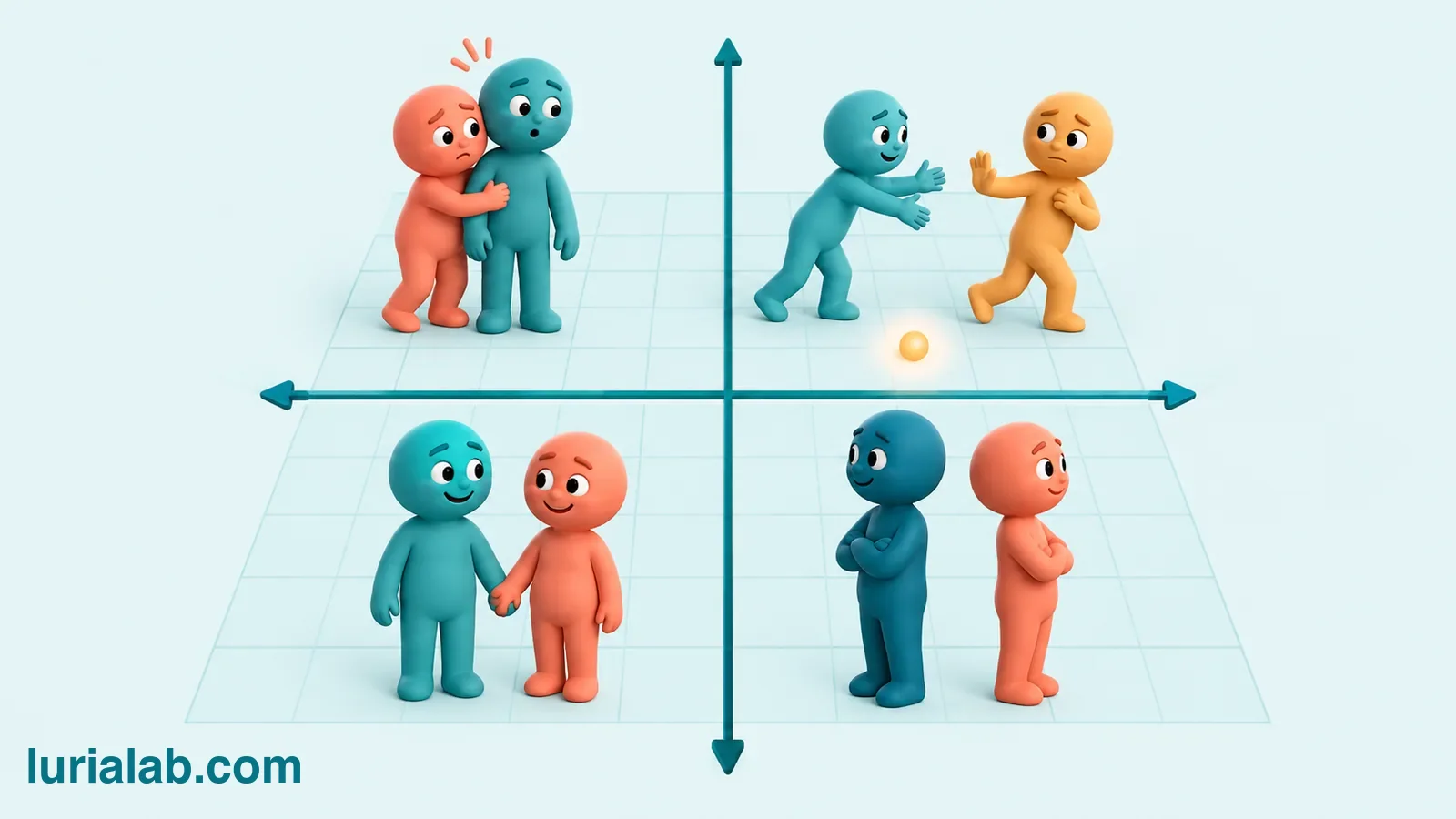
ECR-R Guide: Free Attachment Style Test
Do you worry that partners will leave, or do you pull back when relationships get close? Adult attachment patterns shape how we trust…
Read Article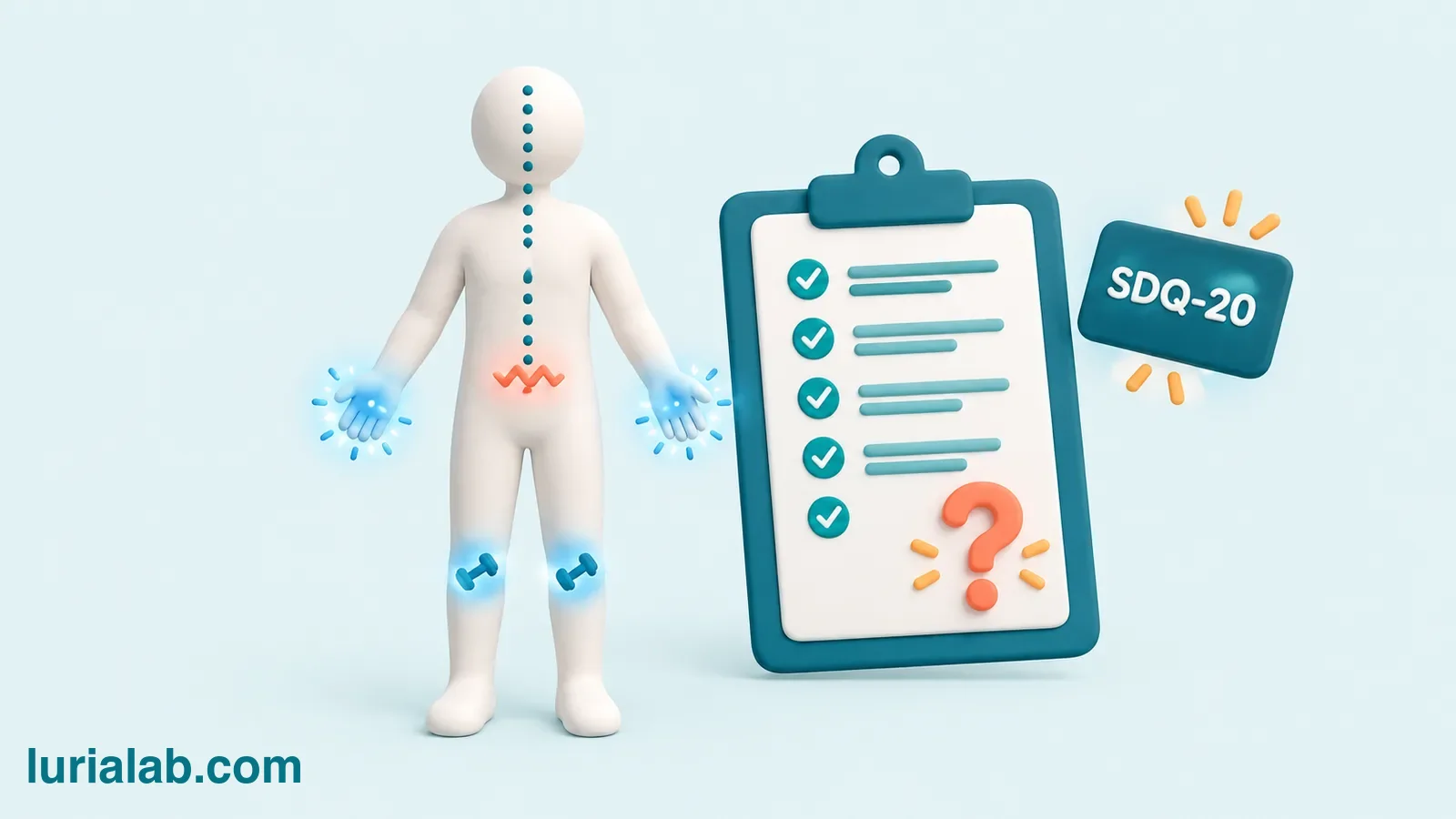
SDQ-20: Free Somatoform Dissociation Test Online
Do you sometimes feel numbness, weakness, or pain in your body that is hard to explain medically? These experiences can be linked to…
Read Article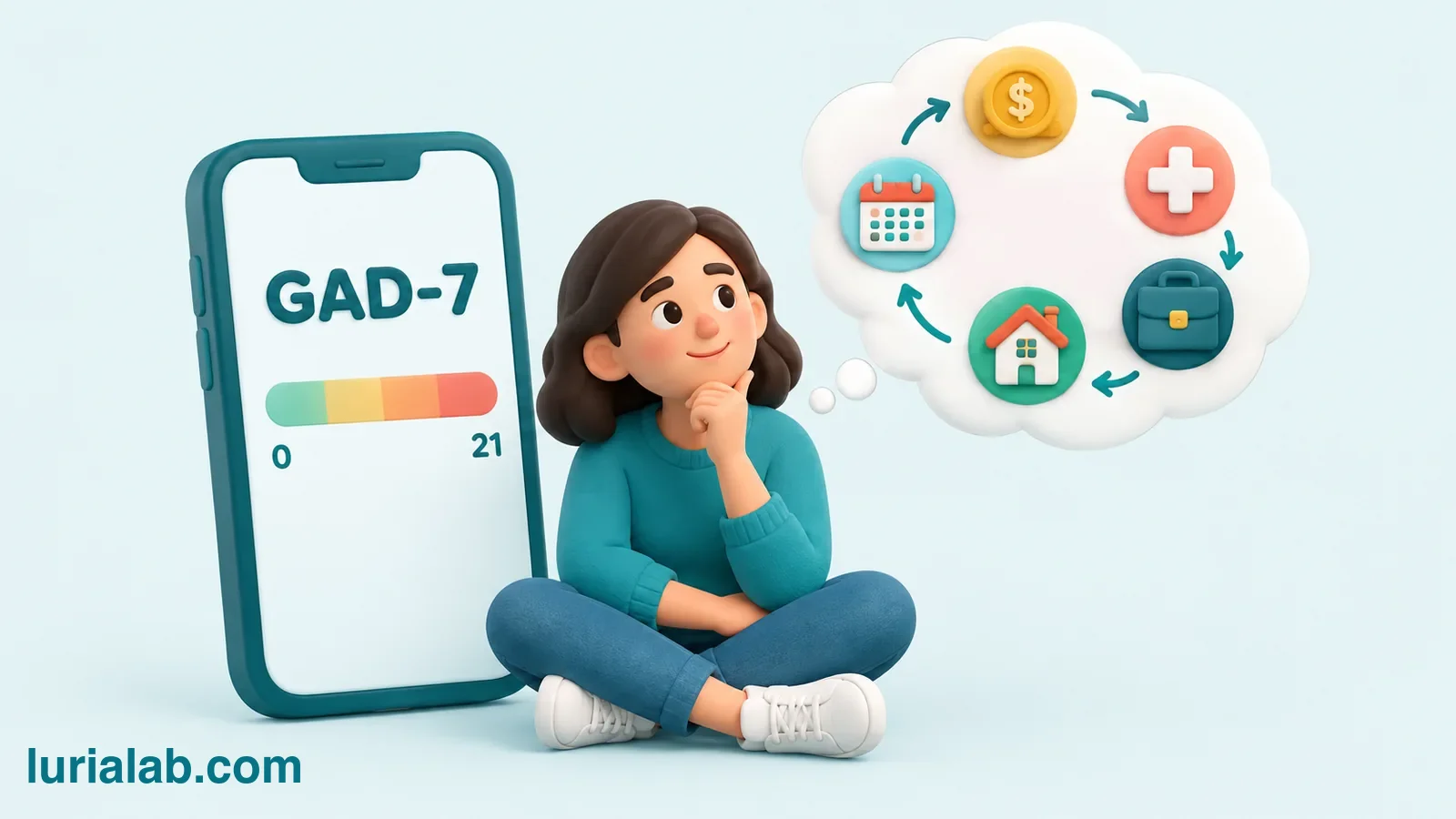
GAD-7 Guide: Generalized Anxiety Screening
Worry that will not switch off, restless nights, tension in your body, and a mind that jumps to the worst case, if this sounds familiar…
Read Article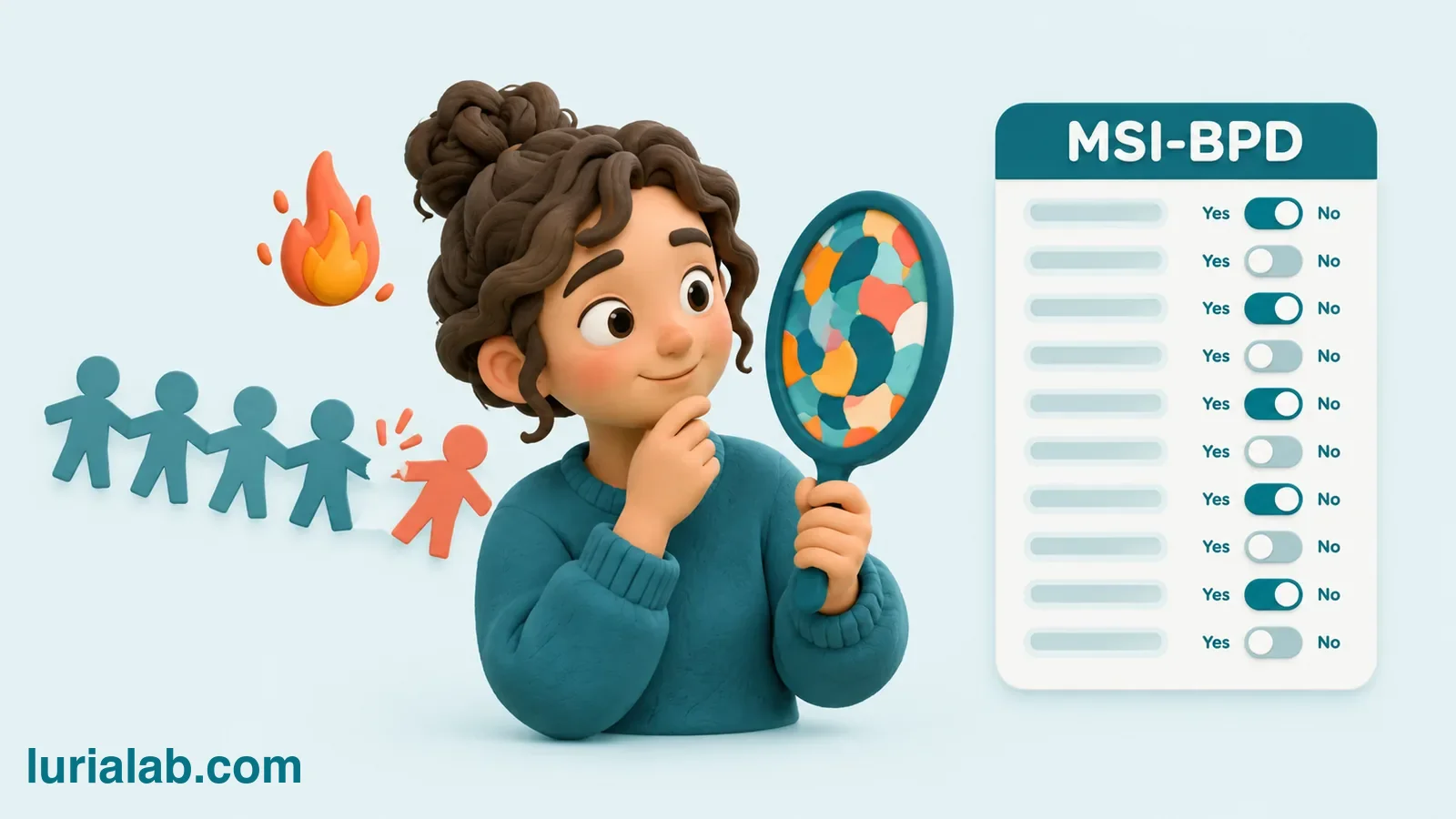
MSI-BPD Borderline Personality Test: Free Online Screening
If you experience intense mood swings, fear of abandonment, unstable relationships, or impulsive actions, you are not alone. The MSI-BPD…
Read ArticleFrequently asked questions
What is Lurialab?
Lurialab is an online psychological assessment platform that helps individuals understand their mental state through scientifically validated tests. It offers a wide range of psychometric assessments in multiple languages for personal self-assessment, professional use, and institutional screening.
Are the tests on Lurialab scientifically reliable?
Yes. All assessments on Lurialab are based on established psychological scales that are widely used in clinical practice and academic research. Each test follows its original structure and scoring methodology to ensure accuracy and reliability.
Can Lurialab diagnose mental disorders?
No. Lurialab does not provide medical diagnoses. The platform is designed to help users identify potential symptoms, risk levels, or patterns that may be worth exploring further with a qualified mental health professional.
Is my data kept private?
Yes. Privacy is a core principle at Lurialab. You can take tests anonymously, and personal data is never sold or shared with third parties. All data handling follows strict privacy and security standards.
Can I take tests without creating an account?
Yes. Many assessments can be completed anonymously without registration. Creating an account is optional and allows you to save results, track progress over time, and access additional features.
Is Lurialab free to use?
Many tests are available for free. Some advanced features, detailed reports, or professional tools may require payment. Any costs are clearly shown before use.
What should I do after receiving my test results?
Review your results carefully and consider the insights provided. If any results raise concerns, we recommend speaking with a licensed mental health professional for personalized guidance and support.
What should I do if I get concerning test results?
If your results suggest elevated symptoms or risks, we strongly recommend reaching out to a licensed mental health professional. Your results page will include guidance and may offer referral resources or next steps.
Why Choose Lurialab
Evidence-Based Assessments
Scientifically validated scales used by clinicians and researchers worldwide.
Available in 18 Languages
Clinically accurate translations in 18 languages. The set of tests varies by language.
Instant Automated Scoring
Immediate results with clear severity levels. No waiting, no manual scoring.
Trusted by Thousands
Used by over 95,000 people, therapists, and organizations worldwide.
Privacy-First Anonymous Testing
Test without an account. Your data is never sold or shared.
Professional Grade Tools
The same validated tools used in clinics, research, and hospitals.