Depths of Depression: Causes, Symptoms, and Treatment
Related glossary terms
Depression is more than a stretch of sadness. It is a common mental health condition that can flatten motivation, energy, sleep, appetite, concentration, and hope — sometimes for weeks or months. Understanding causes, symptoms, and treatment options helps people seek support earlier and talk more clearly with clinicians. This article is educational and is not a diagnosis.
What Depression Can Look Like
Major depressive symptoms often include:
- Persistent low or empty mood, or irritability
- Loss of interest or pleasure (anhedonia)
- Fatigue or slowed movement; sometimes restlessness
- Sleep or appetite changes
- Guilt, worthlessness, or harsh self-criticism
- Concentration and decision-making problems
- Thoughts of death or suicide
Symptoms that last most of the day, nearly every day, for two weeks or longer — and impair functioning — deserve clinical attention. Depression can also appear alongside anxiety, medical illness, grief, bipolar spectrum conditions, or substance use, which is why professional assessment matters.
Contributing Causes and Risk Factors
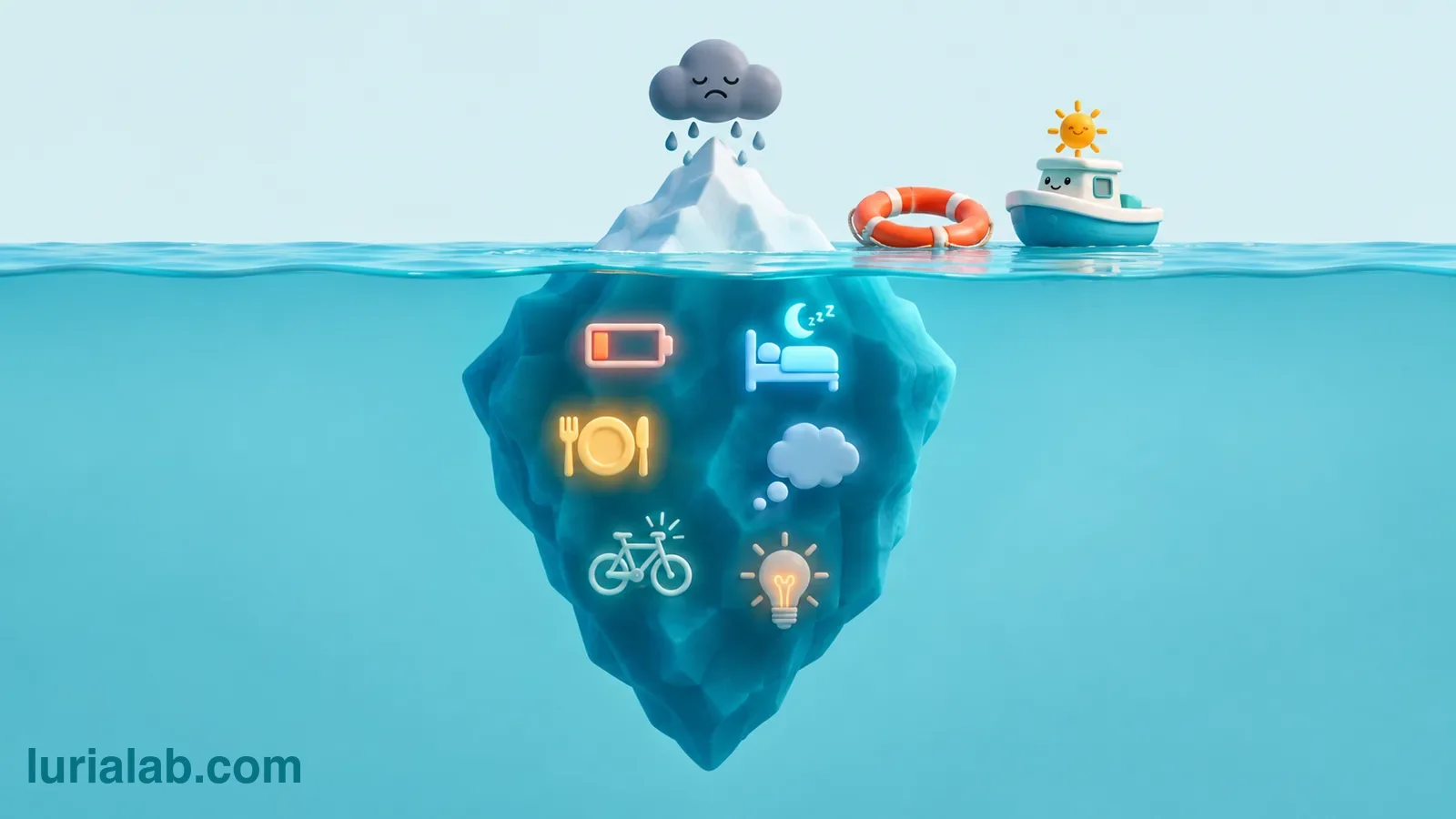
Depression usually emerges from interacting factors rather than one root cause: genetic vulnerability, brain and inflammatory biology, chronic stress, trauma, loss, loneliness, medical conditions, medications, and thinking patterns that intensify hopelessness. Recognizing contributors supports treatment planning; it does not assign blame.
Treatment Approaches That Help
- Psychotherapy — CBT, interpersonal therapy, behavioral activation, and other evidence-based approaches
- Medication — antidepressants and related options when prescribed and monitored
- Lifestyle supports — sleep regularity, movement, daylight, social contact, and reducing alcohol/drugs
- Higher-intensity care — when safety, psychosis, or severe impairment is present
Many people improve with a stepped combination of therapy, skills practice, and medical care. Recovery is often non-linear; early follow-up beats waiting for symptoms to “hit bottom.”
When to Seek Help Urgently
Contact emergency services or a crisis line if you have thoughts of harming yourself, a plan or intent, or feel unable to stay safe. In the United States, call or text 988. If symptoms are severe but not an immediate crisis, book a GP or mental health appointment promptly.
Related Screening on LuriaLab
- PHQ-9 — depression symptom severity over the past two weeks
- DASS-21 — depression, anxiety, and stress subscales in one brief screen
Screens help describe current symptom load. They cannot diagnose depression or distinguish it from bipolar depression or medical causes on their own.