ADHD: What You Need to Know
Related glossary terms
ADHD (attention-deficit/hyperactivity disorder) is a neurodevelopmental condition that can affect attention, organization, impulse control, and activity level across childhood and adulthood. It is more than “being distractible.” For many people, untreated ADHD strains school, work, relationships, and self-esteem. This overview covers core symptoms, why executive function matters, common treatments, and how screening fits into getting help — without replacing a clinical evaluation.
Core Symptom Patterns
ADHD presentations often involve one or more of these clusters:
- Inattention — difficulty sustaining focus, losing items, missing details, unfinished tasks, mental “drift”
- Hyperactivity — restlessness, fidgeting, feeling driven or “on the go,” trouble relaxing
- Impulsivity — interrupting, acting before thinking, impulsive spending or decisions
Symptoms typically begin in childhood (even if ADHD is first recognized later), appear in more than one setting (for example home and work), and cause clear impairment. Many adults mainly notice attention and executive-function problems rather than obvious hyperactivity.
Executive Function: The Practical Impact
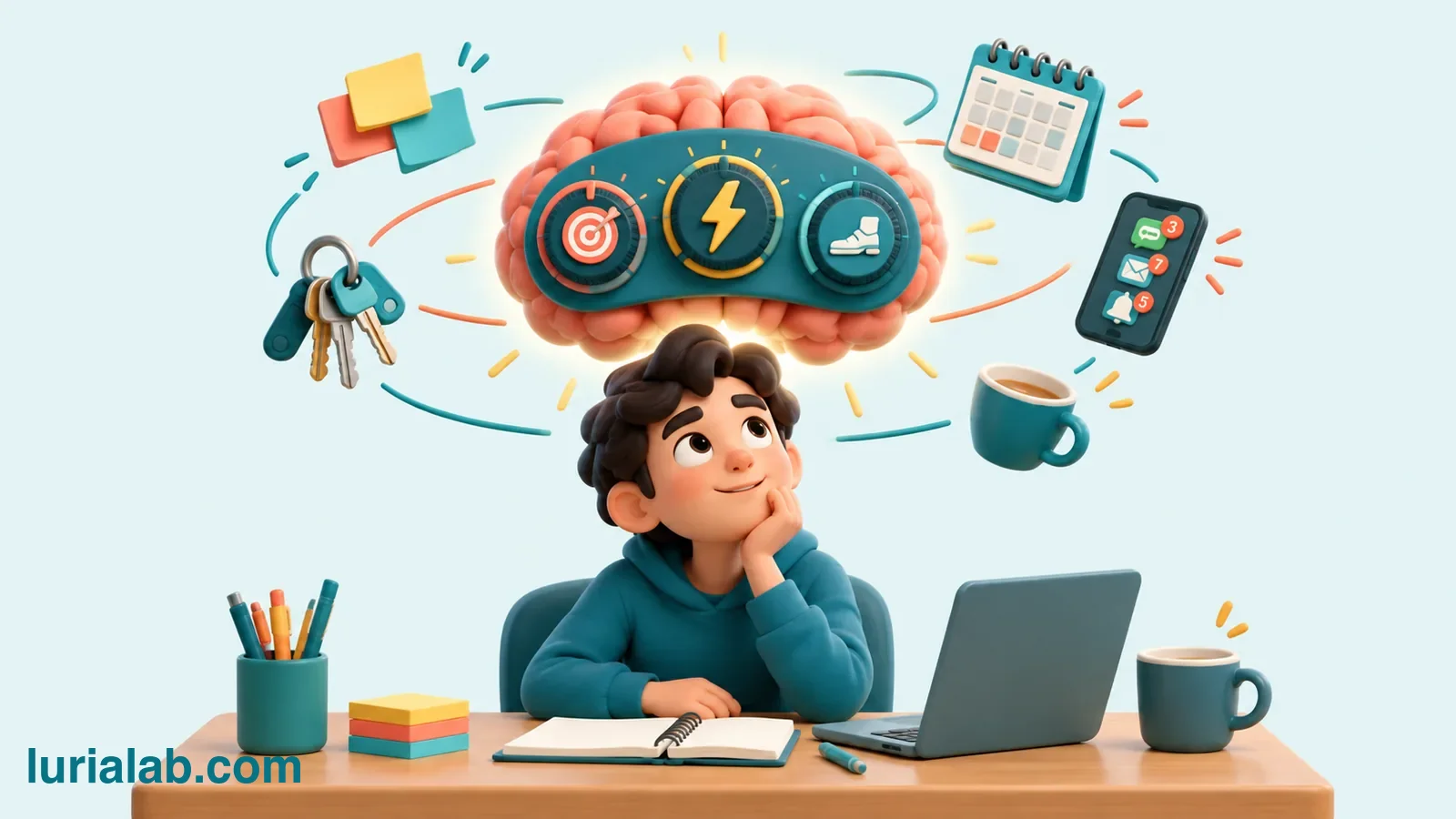
ADHD often shows up as trouble with planning, time management, working memory, task initiation, and emotional regulation under stress. People may be highly capable in short bursts yet struggle with consistency. That gap is frequently misread as laziness or lack of motivation — which increases shame and delays support.
Assessment and Diagnosis
A proper ADHD evaluation usually includes clinical history, developmental background, collateral information when possible, and standardized rating scales. Online questionnaires can help organize symptoms before an appointment; they cannot diagnose ADHD by themselves. Other conditions (anxiety, depression, sleep problems, trauma, learning differences) can look similar and need to be considered.
Treatment Options
- Medication — stimulant and non-stimulant options prescribed and monitored by a clinician
- Therapy / coaching — CBT-informed strategies, skills coaching, and habit systems for planning and follow-through
- Environmental supports — external structure, reminders, body doubling, workplace/school accommodations
- Lifestyle foundations — sleep, exercise, nutrition, and reducing substance use that worsens attention
Most people do best with a combination of approaches tailored to their goals and residual symptoms.
Related Screening on LuriaLab
The Adult ADHD Self-Report Scale (ASRS v1.1) is a brief screen for adult ADHD symptom patterns. Use it as a starting point for self-reflection or a clinical conversation — not as a final diagnosis.